
AI Self-Checkout Systems: The Sustainable Solution for Modern Retailers
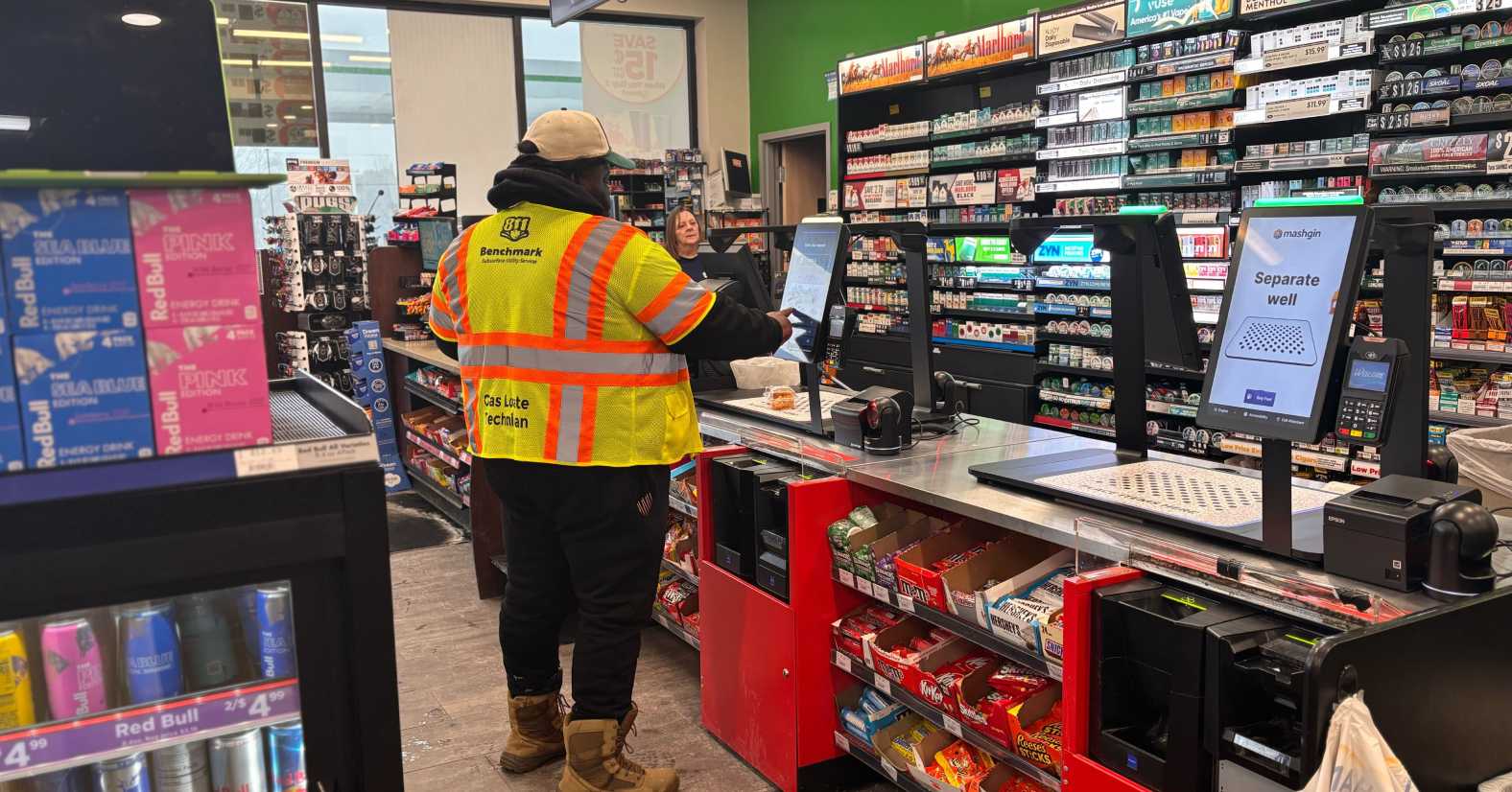
As retailers face increasing pressure to implement eco-friendly business practices, it is essential to explore innovative solutions that align with long-term sustainability objectives. AI-powered self-checkout systems present an opportunity for retailers to create a more sustainable shopping environment while simultaneously improving the customer experience.
By embracing AI-driven checkout technologies, businesses not only stay ahead of the curve but also demonstrate a commitment to environmental sustainability and social responsibility that resonates with modern, eco-conscious consumers.
In this article, we will discuss the distinct ways in which AI self-checkout systems contribute to the creation of a greener, more sustainable retail experience. From reducing resource consumption to minimizing waste generation, these cutting-edge systems offer retailers a viable solution to enhance their environmental footprint while optimizing processes and customer satisfaction.
As we navigate the challenges and opportunities presented by the growing demands for sustainable practices, AI-powered self-checkout systems emerge as a valuable tool for businesses seeking to uphold their corporate responsibility and ecological stewardship.
1. Reducing Resource Consumption and Waste
One of the primary ways AI-powered self-checkout systems contribute to sustainability in retail settings is by reducing resource consumption and waste generation. Traditional paper receipts, for example, contribute to massive amounts of waste each year, with millions of trees felled and billions of gallons of water consumed during the printing process. AI-driven self-checkout systems offer digital receipt options, enabling customers to opt for electronic receipts that can be emailed or accessed through a mobile app. This simple yet effective feature greatly diminishes paper usage and waste, making a positive impact on the environment.
Furthermore, self-checkout systems often require less physical space and infrastructure than traditional manned checkout lanes. By reducing the total store footprint and construction materials needed for traditional checkout counters, businesses can cut down on resource consumption and the resultant environmental impact.
2. Optimizing Energy Efficiency
AI self-checkout systems frequently integrate energy-efficient design features and technologies, mitigating the environmental impact of retail operations. For example, these systems may incorporate LED lights or use low-energy operating modes to conserve power during periods of low customer traffic. By embracing energy-efficient practices, retailers can minimize their energy usage and reduce greenhouse gas emissions associated with their operations.
Additionally, as AI self-checkout systems streamline the checkout process and reduce wait times, customers spend less time in stores with lights, heating, and cooling systems running. This reduction in energy consumption contributes to a greener retail environment and an overall positive environmental impact.
3. Encouraging Reusable Bag Usage and Reducing Plastic Waste
Another significant advantage of AI self-checkout systems in promoting sustainable retail practices is their ability to encourage the use of reusable bags among customers. Self-checkout systems do not typically provide single-use plastic bags by default and instead allow shoppers to bring their own reusable bags or purchase durable, reusable options from the store.
By placing the responsibility of bagging items on the customer, self-checkout systems subtly promote a more eco-conscious behavior, reducing the reliance on single-use plastic bags and minimizing plastic waste. As a result, retailers can actively contribute to reducing plastic pollution and encouraging sustainable consumer habits.
4. Supporting Sustainability Through Data-driven Decision Making
AI-powered self-checkout systems collect valuable data on customer behavior, including product preferences and purchasing trends. By analyzing this data, retailers can make informed decisions regarding inventory management, store layout, and energy usage, ultimately resulting in more sustainable, efficient operations.
For example, retailers can leverage the insights generated through self-checkout systems to optimize their supply chain, reducing food waste, and improving stock rotation. This data-driven approach allows businesses to make environmentally responsible choices that benefit both their bottom line and the planet.
AI Self-Checkout Systems as Sustainable Assets for Retailers
As the demand for sustainable business practices continues to rise, AI-powered self-checkout systems have emerged as a transformative tool that can help retailers achieve their environmental goals while enhancing the customer experience. By adopting these advanced technologies, businesses can reduce resource consumption, minimize waste, improve energy efficiency, and encourage sustainable consumer habits.
Embracing AI self-checkout solutions not only positions retailers as leaders in the push towards a greener, more sustainable retail landscape but also contributes to an improved shopping experience that modern, eco-conscious consumers demand. Discover how our self-checkout solutions at Mashgin can revolutionize your retail operations and support your commitment to sustainability today.



By providing your phone number or initiating a text conversation with Mashgin, you consent to receive SMS messages related to support updates, existing cases, account notifications, and service alerts.Message frequency may vary. Message and data rates may apply. You can reply STOP at any time to opt out.For more information, please review our Privacy Policy and Terms of Service.